
Coal powered the modern world. It fueled factories, railways, cities, and empires. Yet cinema rarely tells coal mining stories. Films explore office life, crime, war, and even mundane jobs. But stories set deep underground? Those are rare.
Our latest Reel Tunnel episode digs into how cinema portrays coal mining. More importantly, we ask why films avoid it. This article expands on that idea. We connect film history, social context, and the choices that shape what mining looks like on screen.
Why Coal Mining Rarely Appears in Cinema
Coal mining seems full of film potential. It’s dangerous. It’s physically intense. It connects to class, labor, and survival. But few films put miners at the center.
One reason is practical. Mines are dark, confined spaces. They’re hard to film, especially in early cinema. Limited light. Restricted movement. Safety concerns. Filmmakers often built studio sets instead.
But the reasons go deeper. Coal mining stories don’t offer easy wins. Miners don’t strike oil and get rich. They don’t escape hardship easily. For many, mining was a lifelong job with no clear exit. That missing success arc makes miners “unlikely heroes” for popular cinema.
There’s also discomfort. Mining films remind audiences of the human cost behind progress. Damaged health. Lost lives. Invisible labor that powers modern comfort. Mainstream cinema often prefers escape over hard truths.
Class, Labor, and the Film Industry
Coal mining stories are tied to class struggle and workers’ rights. Strikes. Unions. Exploitation. Industrial accidents. These aren’t side notes. They’re central to the mining experience.
As cinema audiences became more middle-class, mining stories lost visibility. These weren’t jobs people wanted. They were lives to leave behind. Films that touch on mining often focus on escape, not on what it means to live as a miner.
This explains why later mining films, especially in the UK, tell stories of loss and change. They reflect economic shifts. Community breakdown. The aftermath of an industry’s decline, not the work itself.
When Cinema Finally Goes Underground
To find films that truly engage with coal mining, look back to earlier decades. Back when coal still held economic and cultural power.
A Community Through Memory
One well-known mining film shows the industry through memory and feeling. Seen through a child’s eyes, the mine becomes part of a broader portrait. Family. Faith. Community. The underground work appears briefly. The emotional focus stays above ground, in shared rituals and home life.
This approach made mining stories accessible. By softening the harsh parts and framing them through nostalgia, the film connected working-class life to universal themes. Family. Belonging. Even as it acknowledged danger, exploitation, and coming change.
Politics Beneath the Surface
Another major film took a more direct political path. Set in a northern mining town, it confronts unsafe conditions. Industrial conflict. The tension between ambition and standing together.
The strongest moments happen underground. Ignored safety risks lead to disaster. Above ground, competing interests collide. Owners. Workers. Townspeople. Personal drama sometimes pulls focus from the core issue. But the film remains one of the most vivid portrayals of mining as a social system, not just sentiment.
Mining as Human Cinema
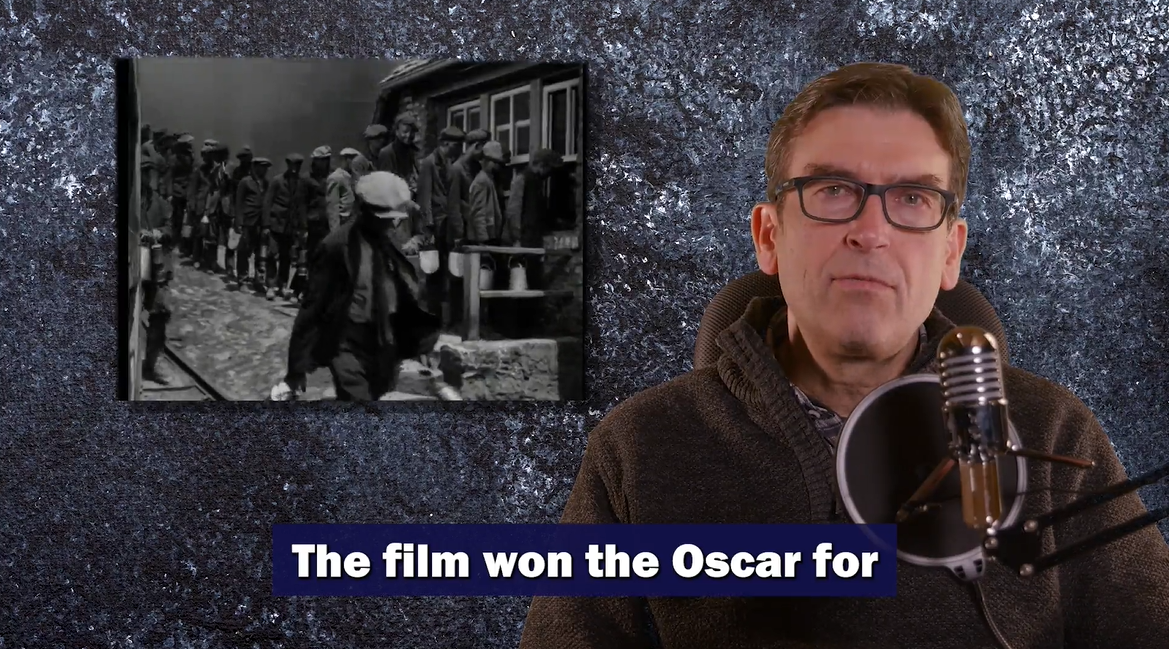
Perhaps the most striking coal mining film predates them all. Made in the early sound era, it uses a semi-documentary style that still feels modern. Inspired by a real mining disaster, it focuses on cross-border solidarity. Miners risk their lives to save trapped colleagues beyond national lines.
What sets this film apart is its urgency. The story unfolds over a short time span. No nostalgia. No romantic subplot. It captures economic pressure, political tension, and everyday bias with stark honesty.
The film makes smart use of darkness, sound, and movement. The mine becomes a shared human space. Divided by borders above ground, but connected below. Its message of solidarity, made between the world wars, feels both bold and haunting now.
From Industry to Memory: Mining After Its Decline
As coal lost its economic importance, mining faded from cultural view. Gas and other energy sources replaced it. Oddly, this happened just as cinema became more open to working-class stories in the 1960s and beyond.
By then, coal mining was no longer seen as the engine of modernity. It became a symbol of decline. Films that reference it often do so through memory, nostalgia, or trauma. In the UK especially, mining remains charged. Tied to family histories and political wounds that still resonate.
Cinema didn’t stop telling mining stories because they lacked drama. It stopped because they forced audiences to face hard truths about progress, labor, and who pays the price for growth.
Why These Films Still Matter
Coal mining films remind us that modern society was built underground. By people whose stories were rarely celebrated unless tragedy struck. They challenge the idea that cinema should only entertain. Film can document, question, and preserve social history.
If you want to go deeper, watch the full Reel Tunnel episode on coal mining in movies. It’s an invitation to look again. At cinema, at history, and at the stories hidden beneath our feet.
Reel Tunnel exists to explore these connections. Between film, history, and the facts beneath the surface. By revisiting mining films across decades, we don’t just find overlooked cinema. We reconnect with the base of the world we live in today.